
Library
The plant library.
A growing, illustrated reference of plants worth knowing in Southeast Queensland: what earns its place, what quietly supports a system, and which weeds are worth watching for. It’s the same library every Stillfoot design draws on. 31 entries so far, with more added over time.
Food & fruit
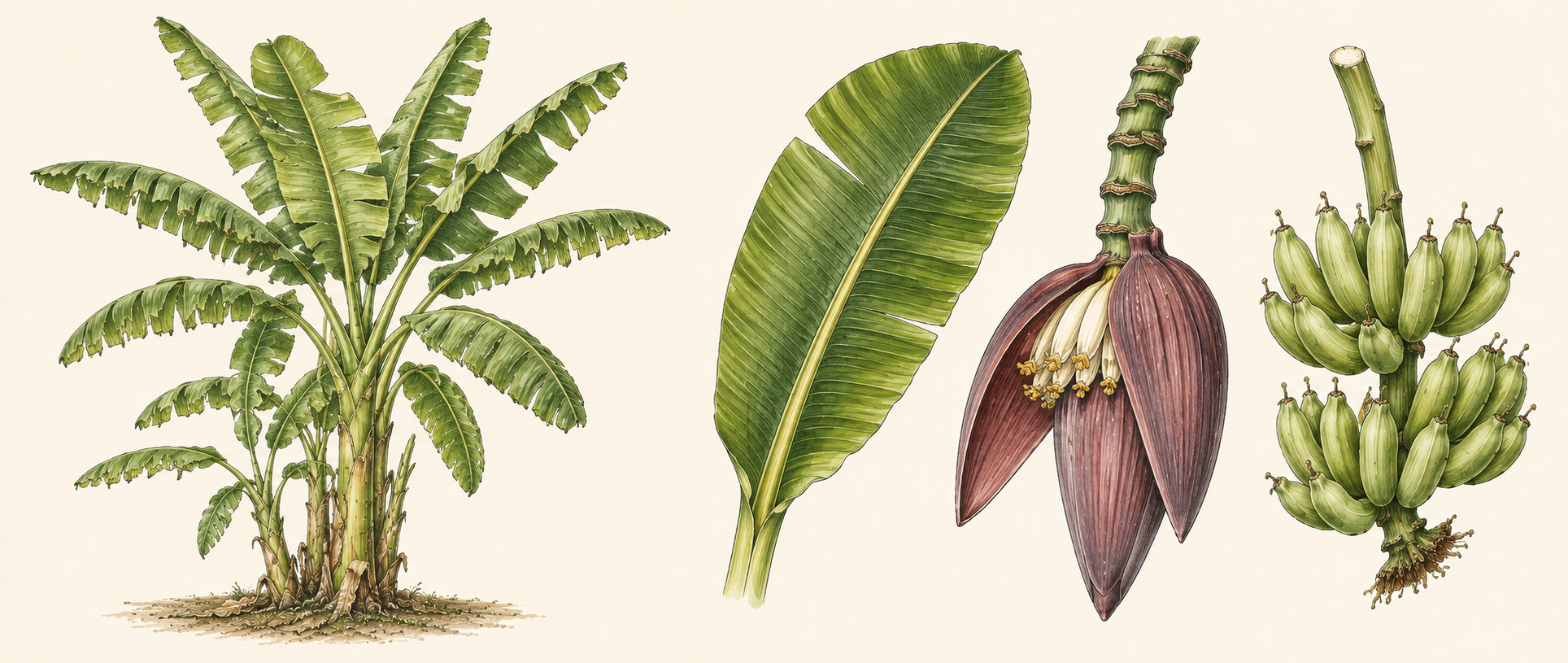
Banana
Musa
Sub-canopyA genuinely high-yield, fast-cycling food crop for a warm, sheltered, well-watered spot — often used as a "banana circle" nutrient-cycling hub, planted around a central compost/greywater pit that feeds the thirsty clump directly.
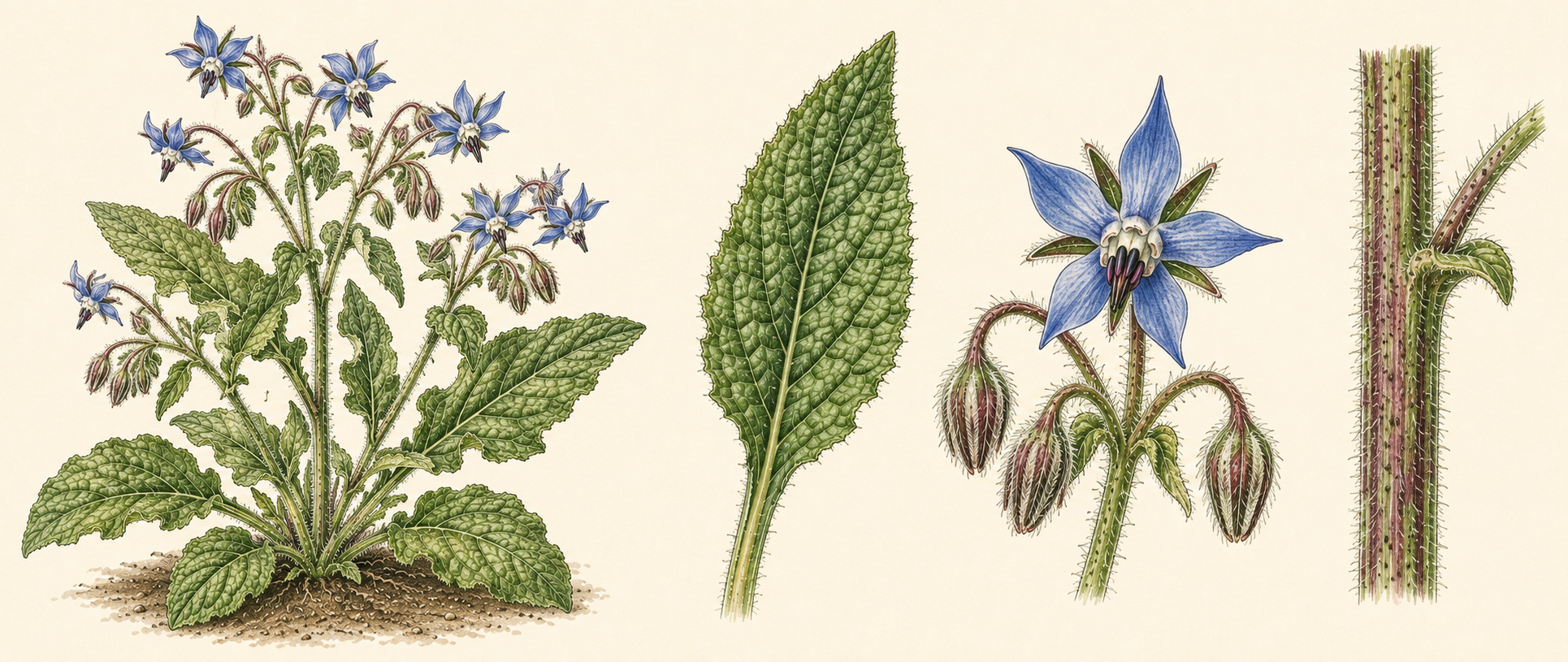
Borage
Borago officinalis
HerbaceousA genuine dynamic accumulator, drawing minerals up into its leaves; excellent bee and pollinator plant; a classic companion for strawberries and tomatoes; self-seeds to fill gaps in a guild without being planted deliberately each season.
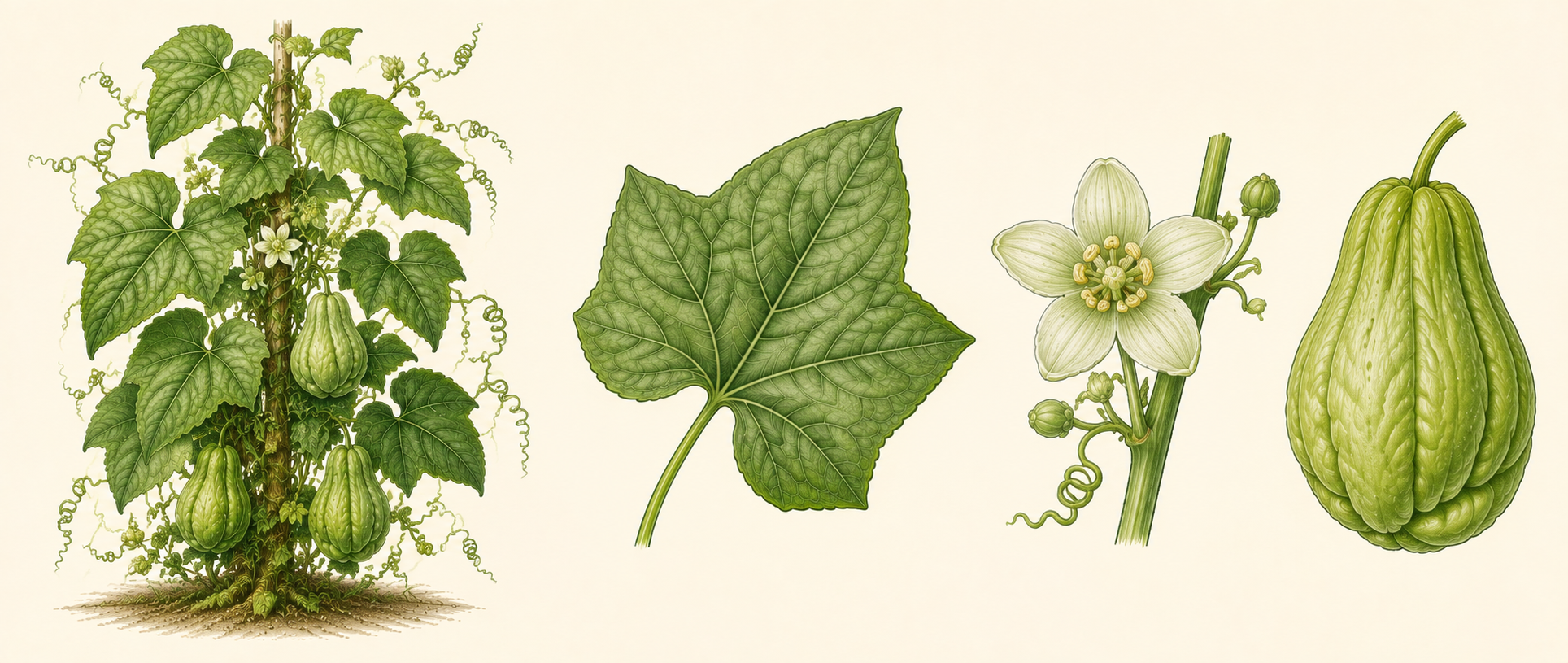
Choko
Sechium edule
VineExtremely productive for very little input once established, and a fast summer shade or screen over a structure.
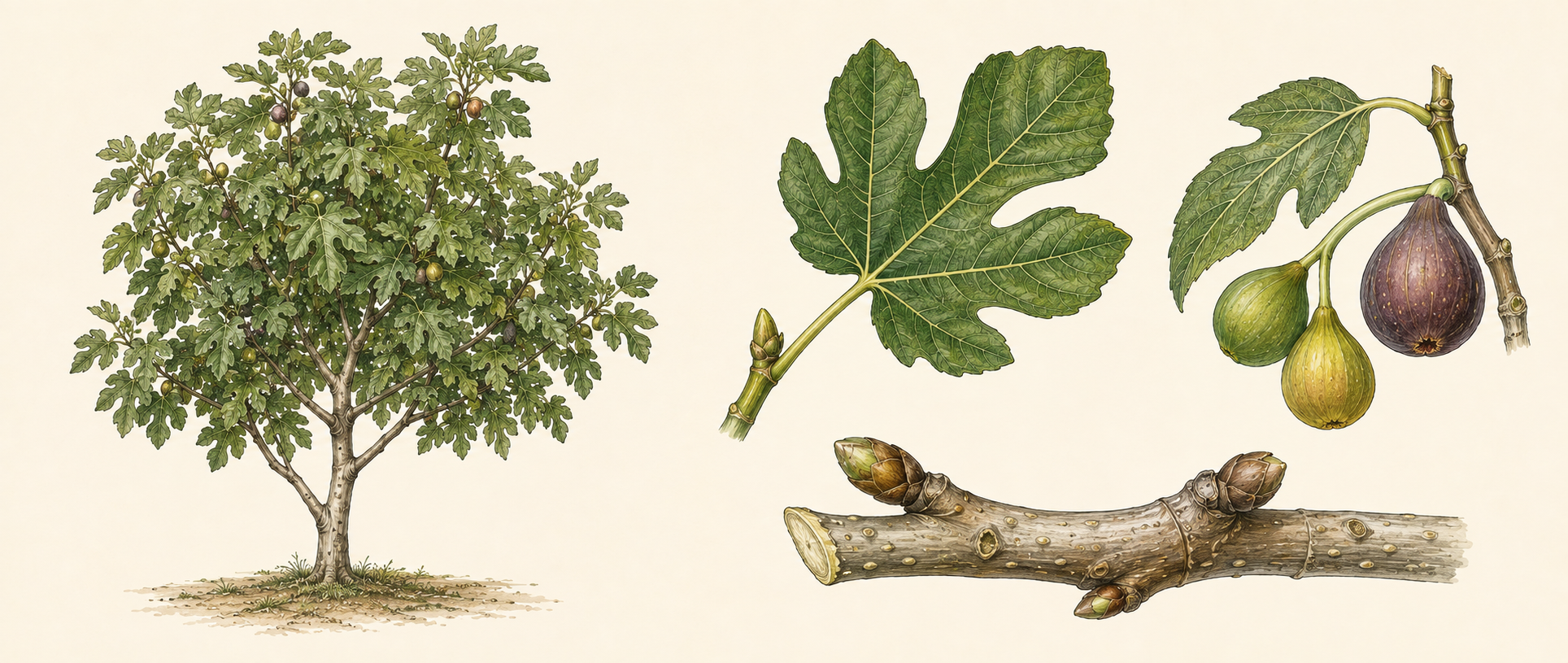
Common Fig
Ficus carica
Sub-canopy / small to medium treeA genuinely low-input, high-reward fruit tree — extremely resilient once established, tolerant of poor soil, and capable of two harvests a year in a suitable climate.
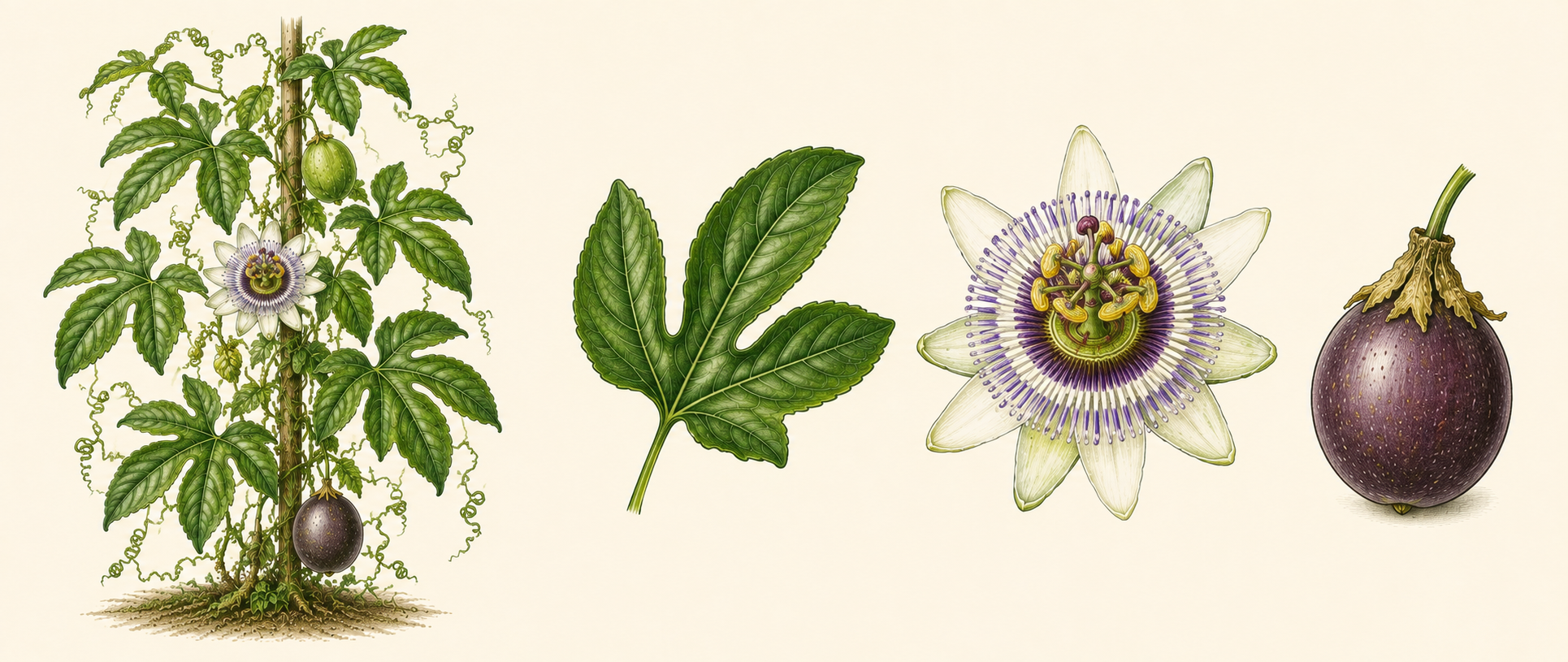
Common Passionfruit
Passiflora edulis
Climbing vineA fast, productive climbing food crop for an existing fence or trellis — genuinely good use of vertical space that would otherwise be unproductive.
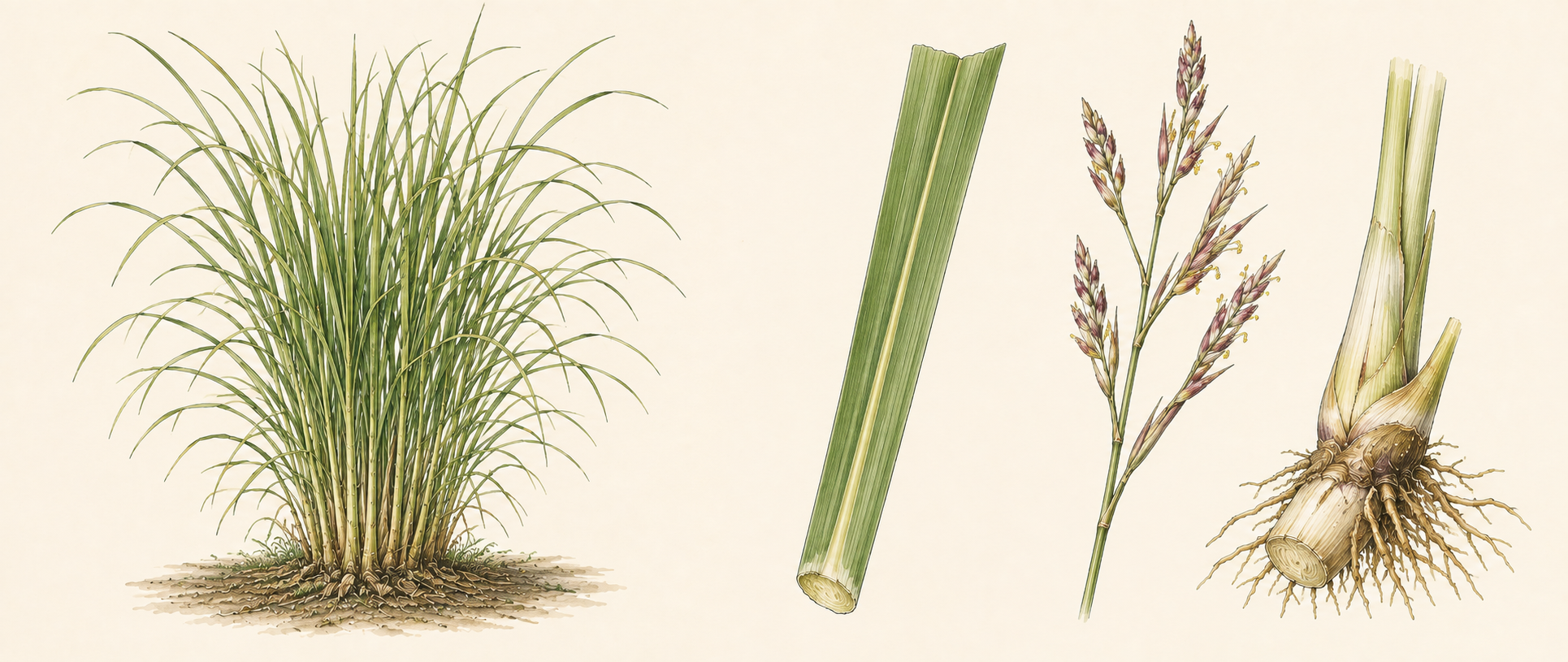
Lemongrass
Cymbopogon citratus
HerbaceousIts dense clumping habit makes it a genuinely useful living barrier or edge planting, and its strong scent is thought to help mask companion crops from some pests.
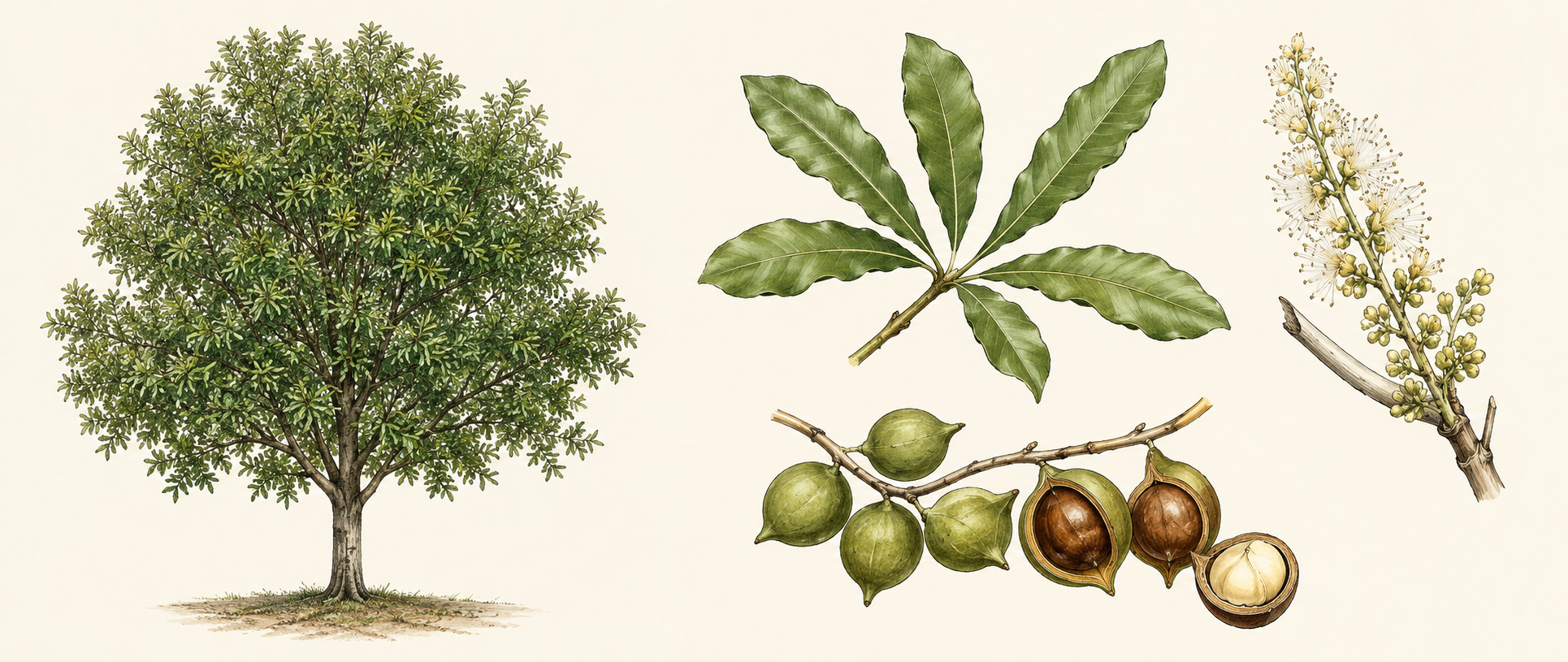
Macadamia
Macadamia tetraphylla
Canopy treeA genuinely high-value native nut crop — one of very few native Australian food plants to become a global commercial commodity, worth real investment in establishment care given how long-lived and eventually productive it becomes.
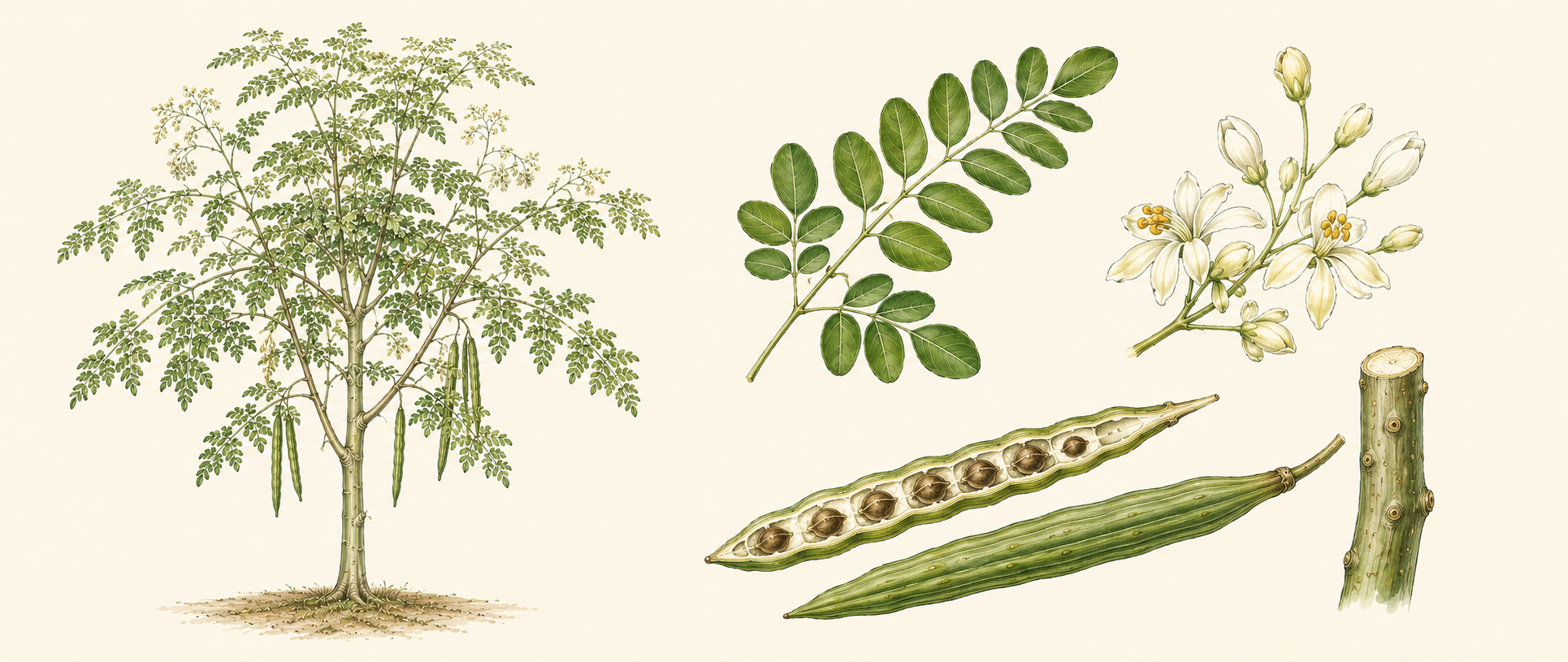
Moringa
Moringa oleifera
Small treeOne of the fastest ways to produce nutrient-dense edible biomass, coppices well for repeated leaf harvest, and its nitrogen-rich leaf drop makes excellent mulch.
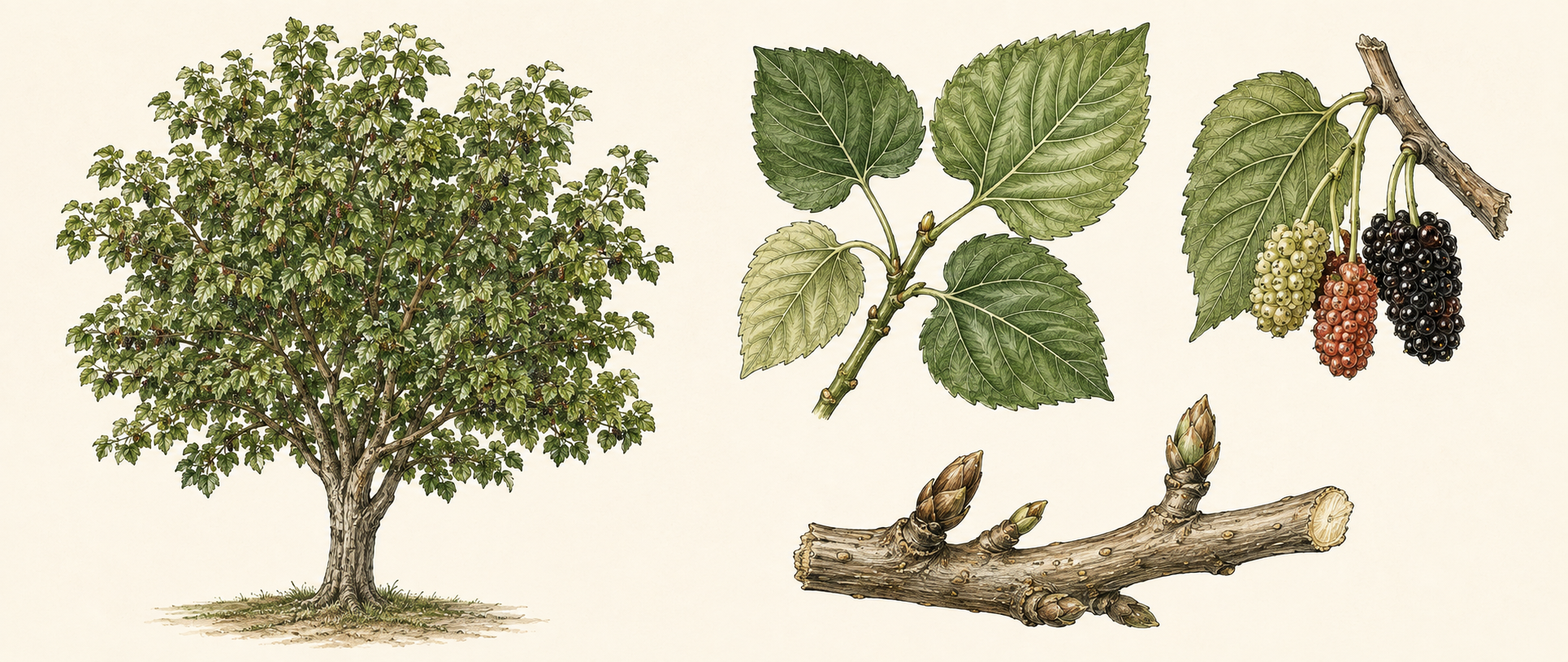
Mulberry
Morus alba
Sub-canopy / small to medium treeA fast, resilient, high-yield fruit tree that also tolerates hard pruning — a good choice where a smaller, easily-netted or hand-pickable tree is wanted rather than a tall canopy specimen.
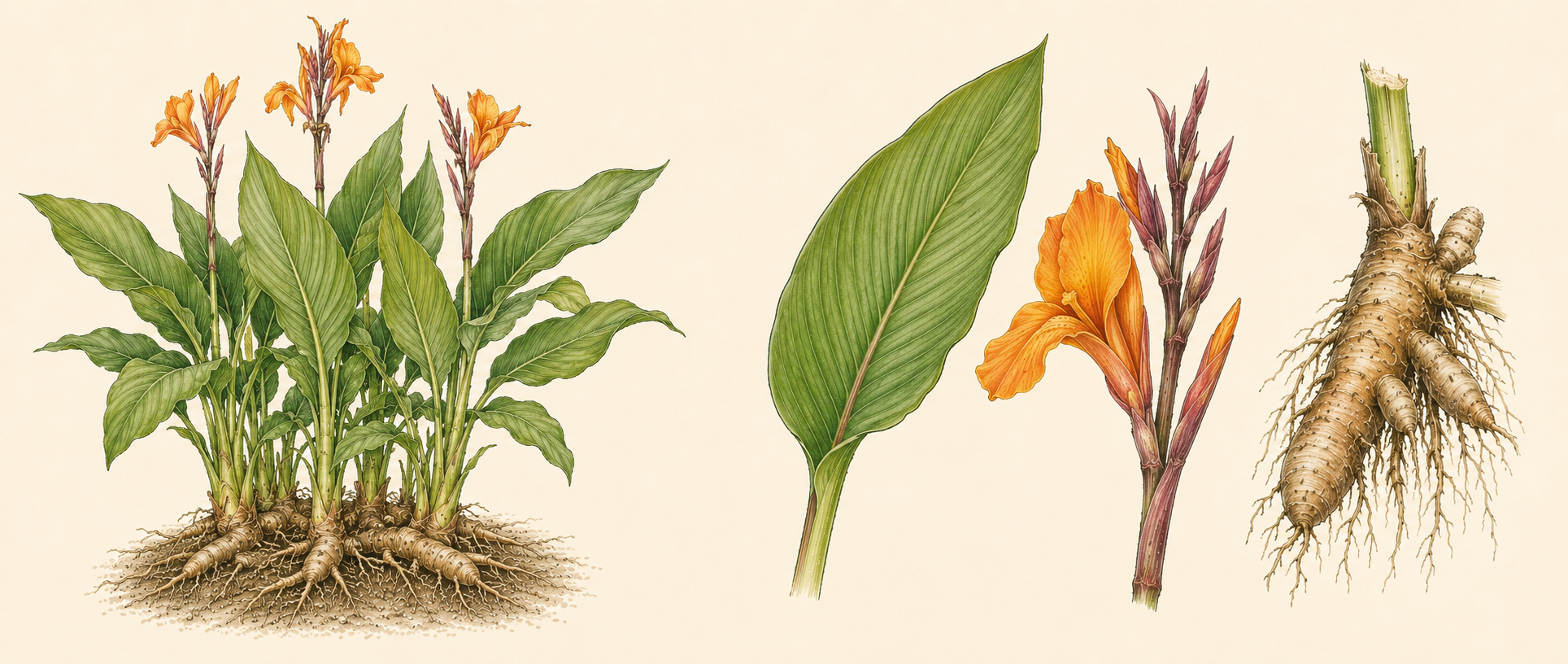
Queensland Arrowroot
Canna edulis
HerbaceousA genuinely useful biomass producer, historically grown as a staple starch crop and stock fodder in Queensland, with large leaves that make excellent chop-and-drop mulch.
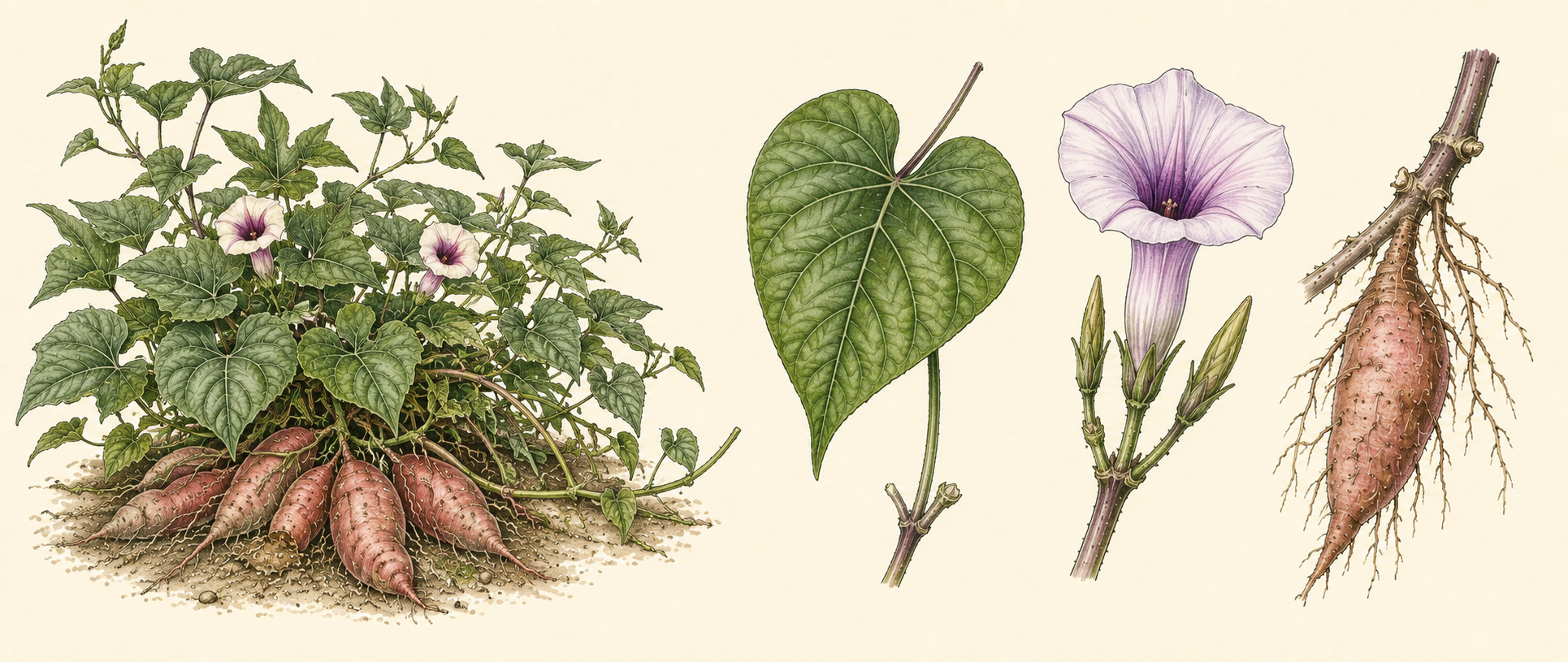
Sweet Potato
Ipomoea batatas
Herbaceous groundcover-vineAn extremely effective living mulch and groundcover that also produces a genuine staple food crop, vigorous enough to outcompete most weeds once established.
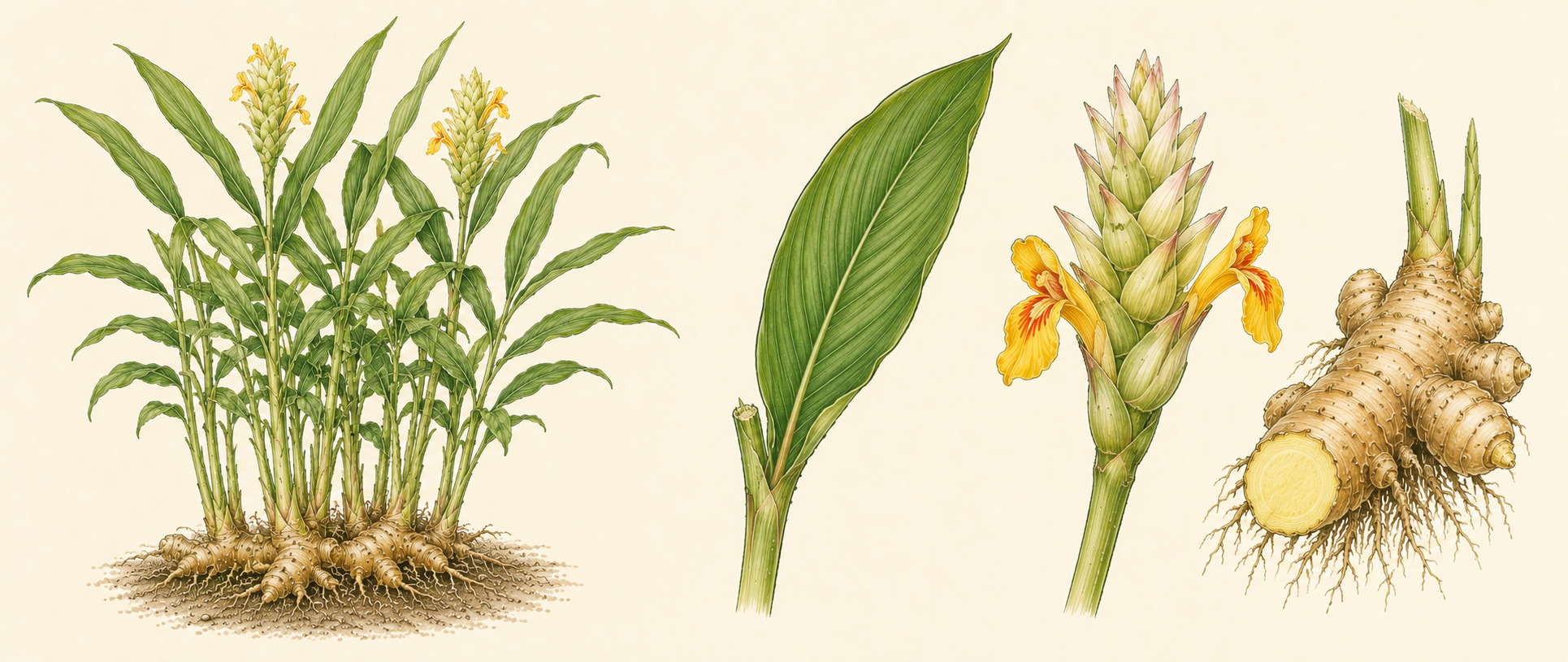
Turmeric
Curcuma longa
Herbaceous understoreyA genuinely productive, shade-tolerant understorey layer for a food forest system.
Support & soil
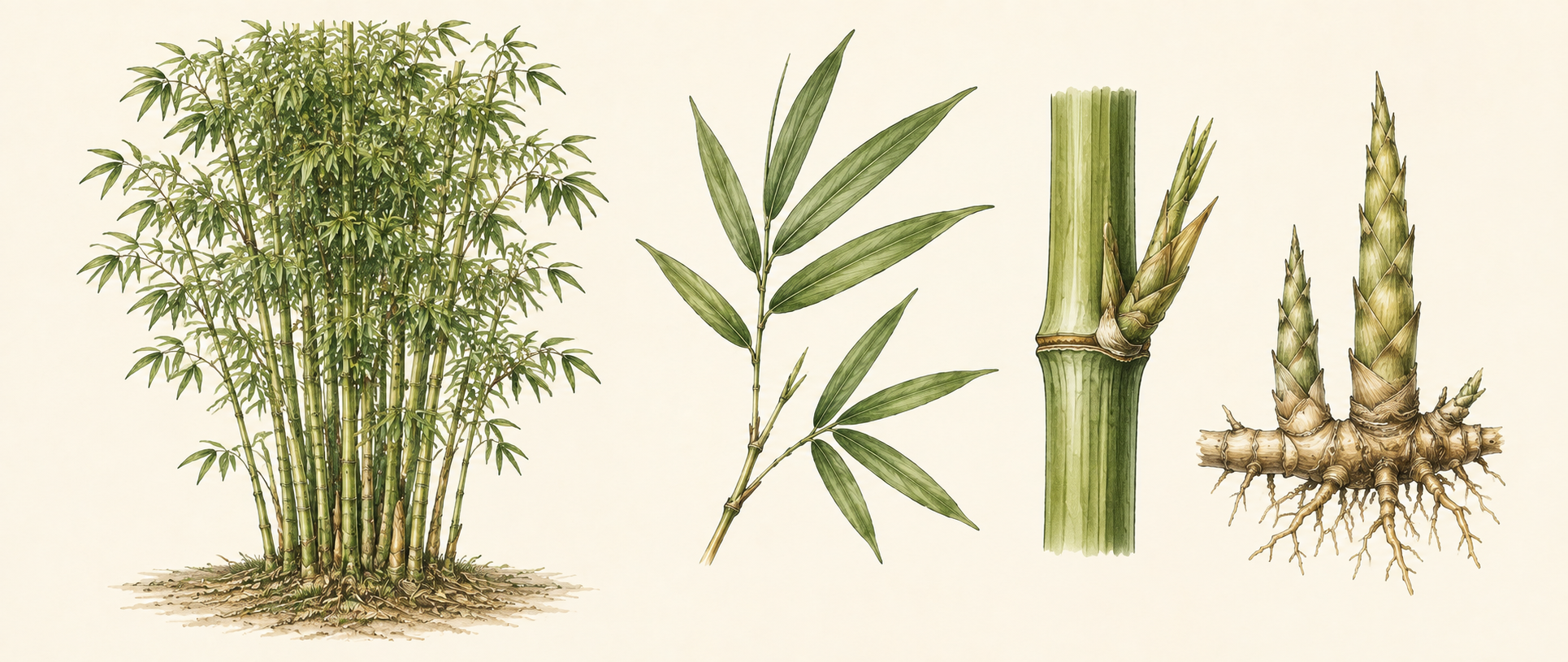
Clumping Bamboo
Varies by species (commonly
Canopy / tall screen (a very large grass)An excellent fast screen or windbreak, and the canes are a genuinely useful renewable building material — poles, stakes, trellis material, all grown on-site rather than bought in.
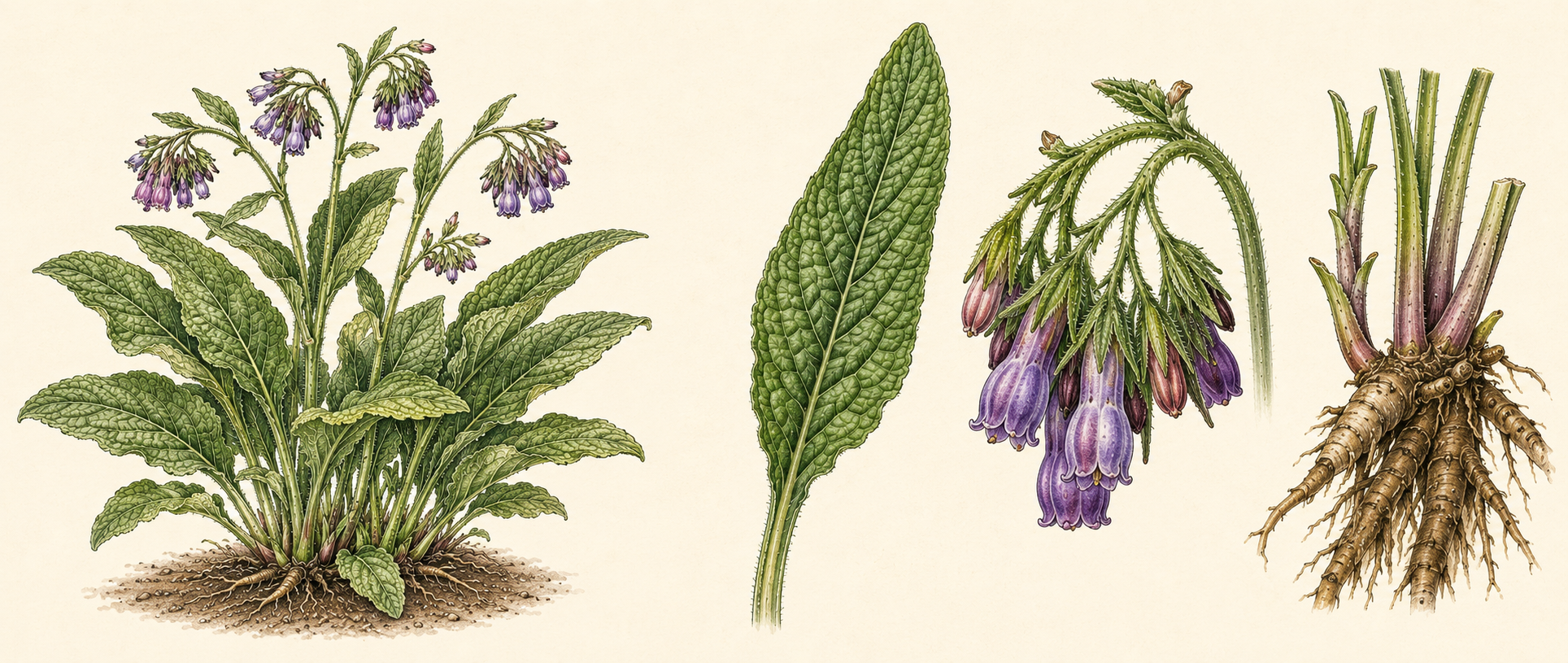
Common Comfrey
Symphytum officinale
HerbaceousOne of the classic permaculture dynamic accumulators — its deep taproot draws up potassium, phosphorus, and other minerals from the subsoil, concentrated in leaves that make excellent mulch, compost activator, or liquid feed ("comfrey tea").
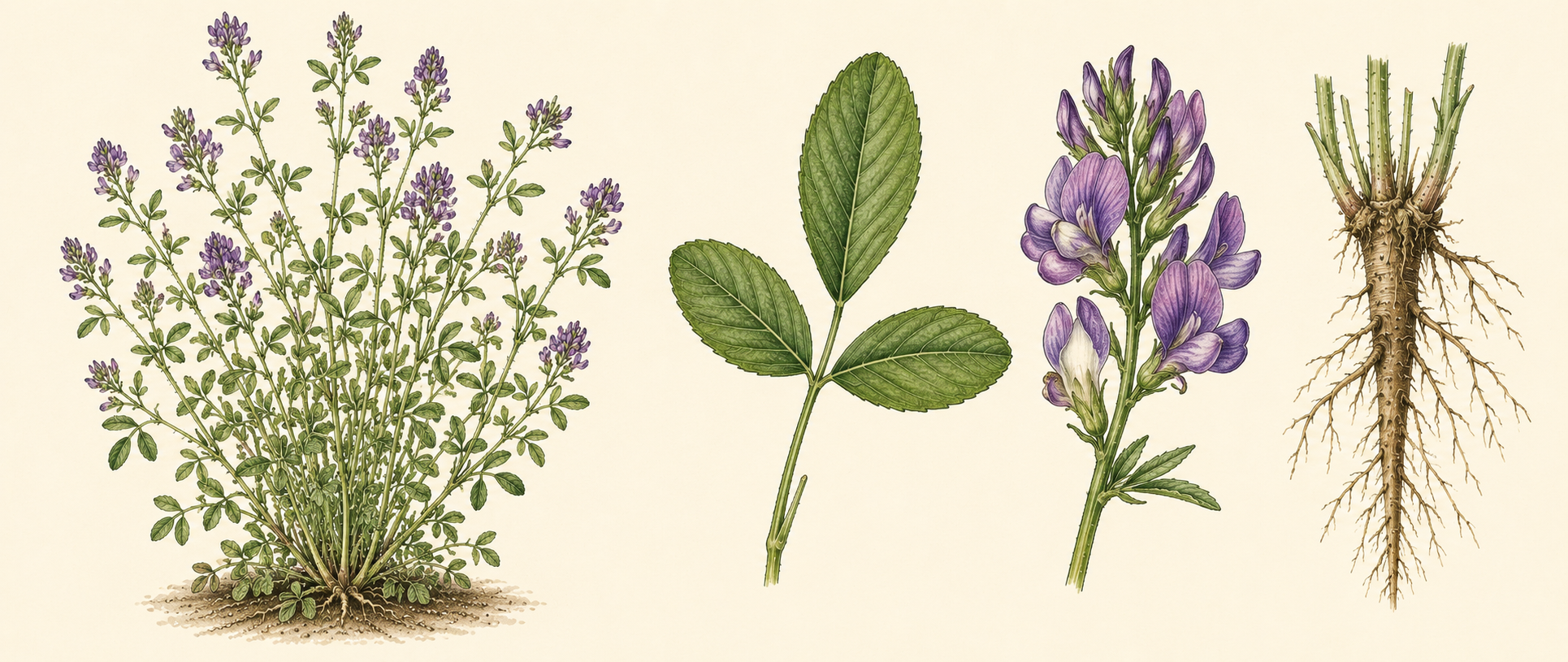
Lucerne
Medicago sativa
HerbaceousAn excellent nitrogen fixer, and its deep taproot brings subsoil minerals up while helping break compacted ground — a classic chop-and-drop dynamic accumulator and fodder crop.
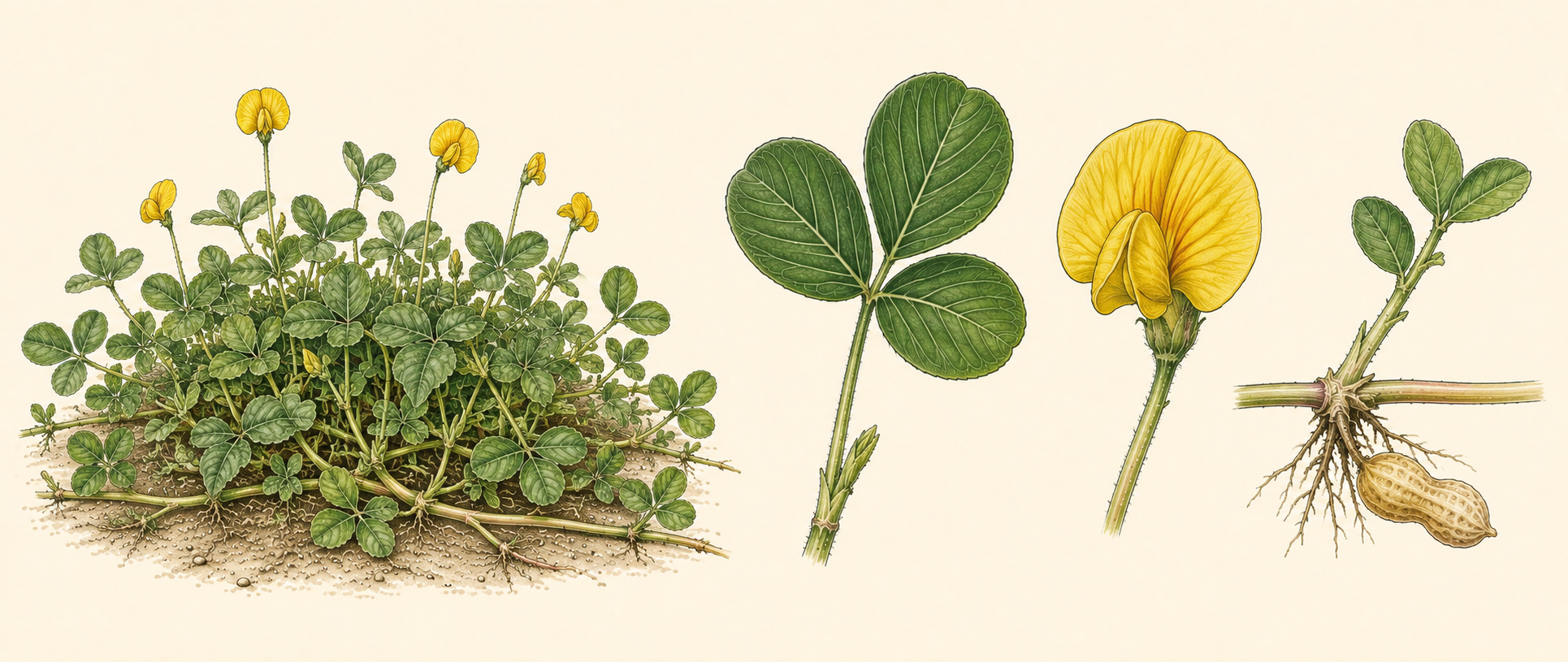
Perennial Peanut
Arachis pintoi
Herbaceous groundcoverAn excellent living mulch and groundcover, a genuine nitrogen fixer, suppresses weeds, and tolerates mowing or light foot traffic well.
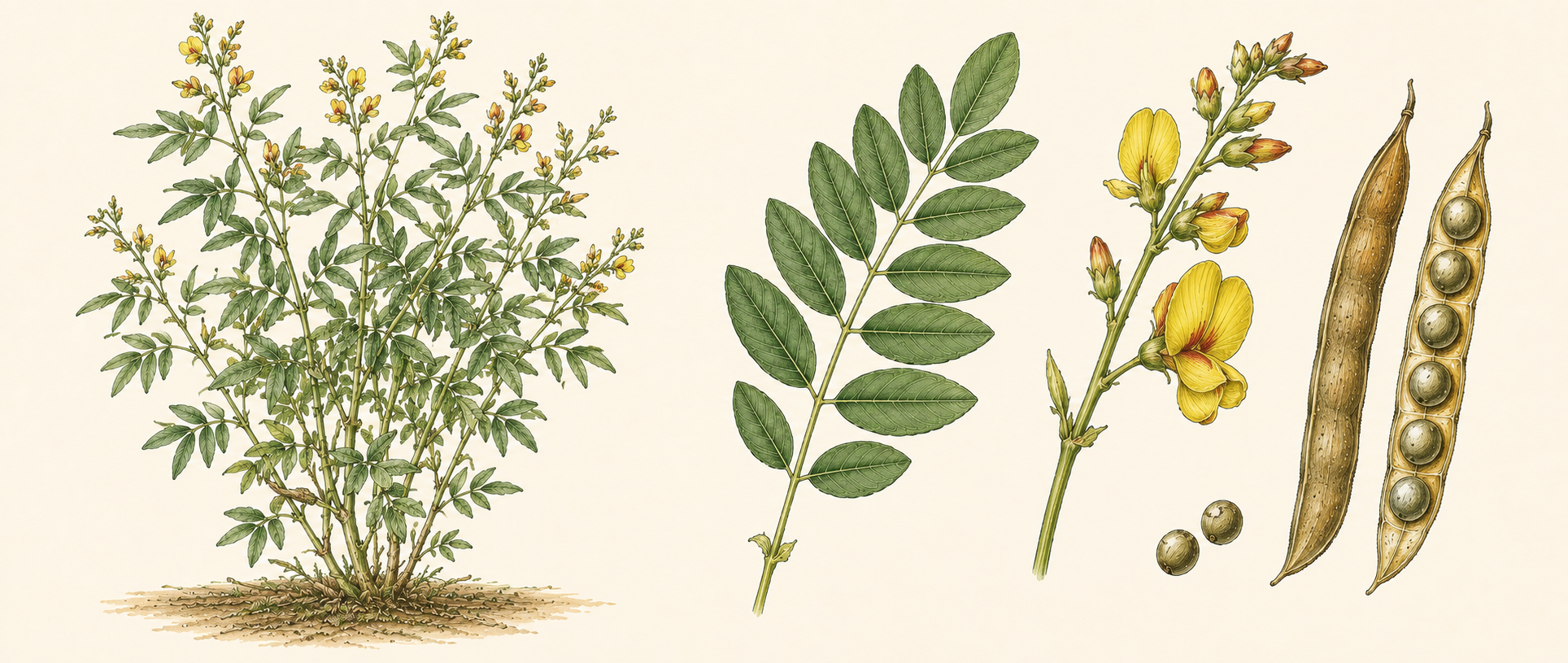
Pigeon Pea
Cajanus cajan
ShrubA strong nitrogen fixer and fast biomass/mulch producer, functioning as a nurse plant or windbreak for younger, slower-establishing plantings while also being a genuinely productive food crop in its own right.
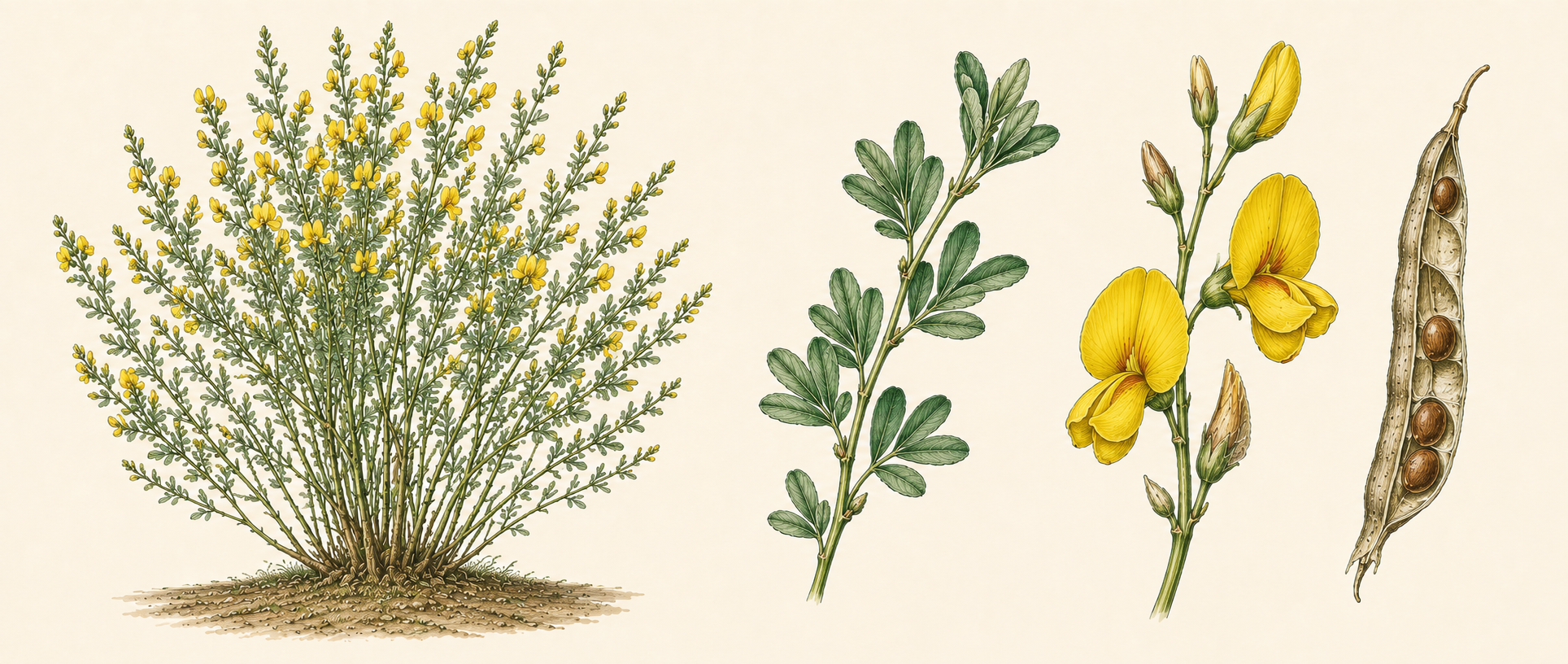
Tagasaste
Chamaecytisus palmensis
Small tree / large shrubAn excellent fast nitrogen fixer and windbreak or nurse-tree species.
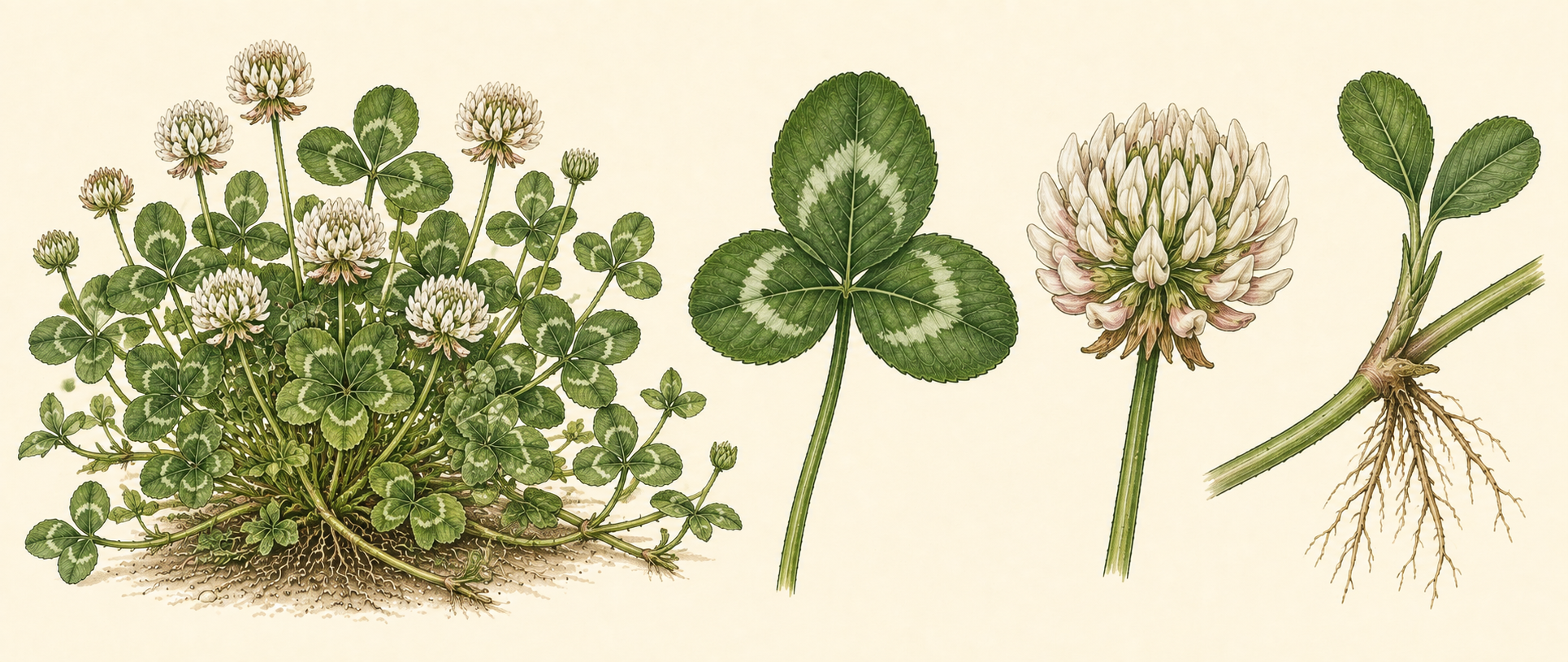
White Clover
Trifolium repens
Herbaceous groundcoverNitrogen fixation, living mulch, genuine soil-building groundcover.
Weeds & what to watch
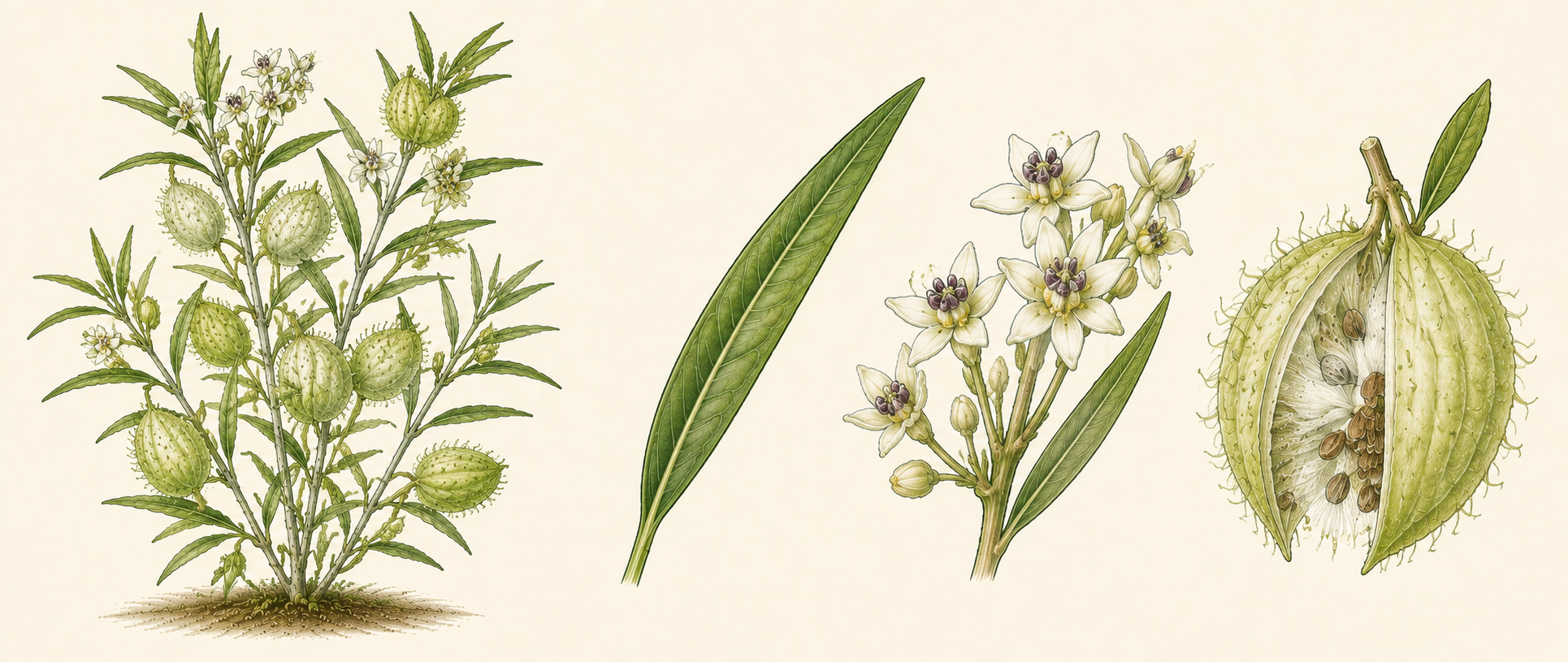
Balloonplant
Gomphocarpus physocarpus
ShrubA recognised monarch butterfly host plant, a genuine ecological value, though this has to be weighed against its toxicity and weed status on a property running or planning to run animals.
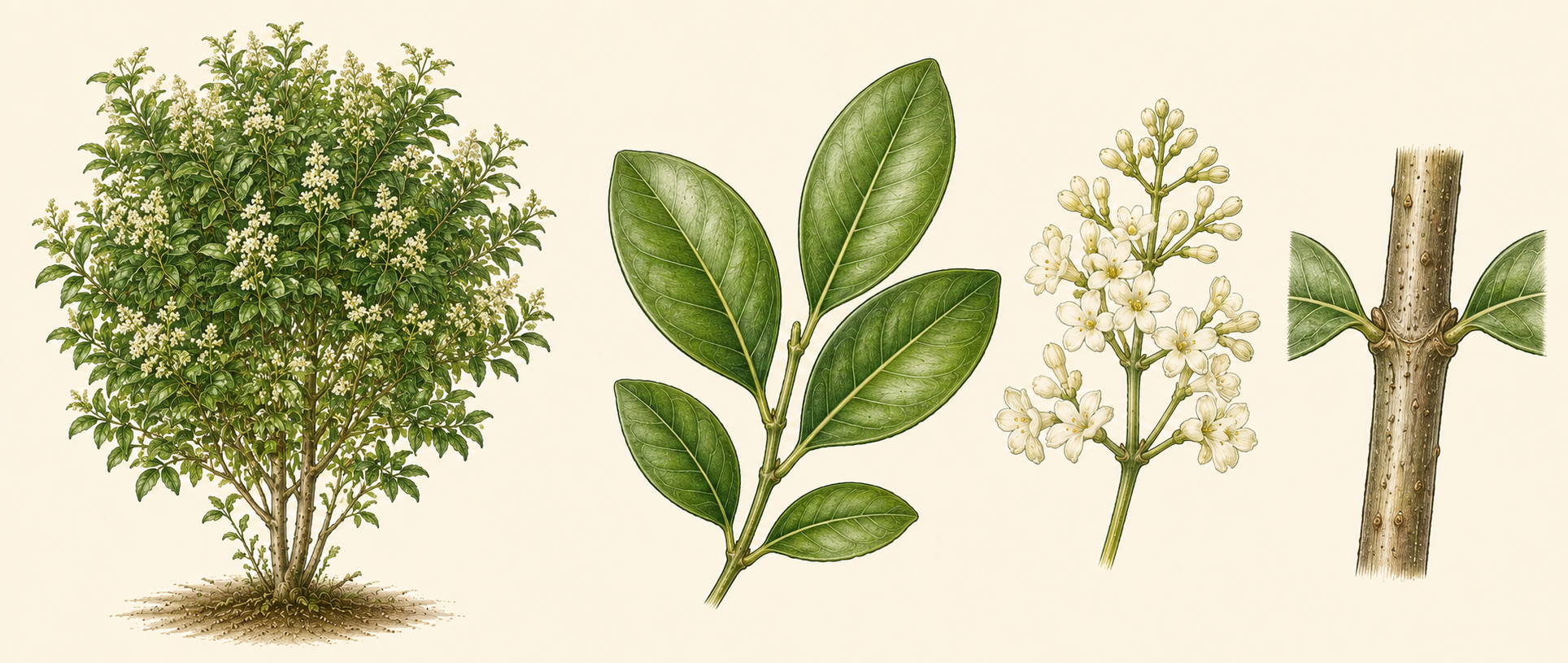
Broad-leaf Privet
Ligustrum lucidum
Small to medium treeMinimal.
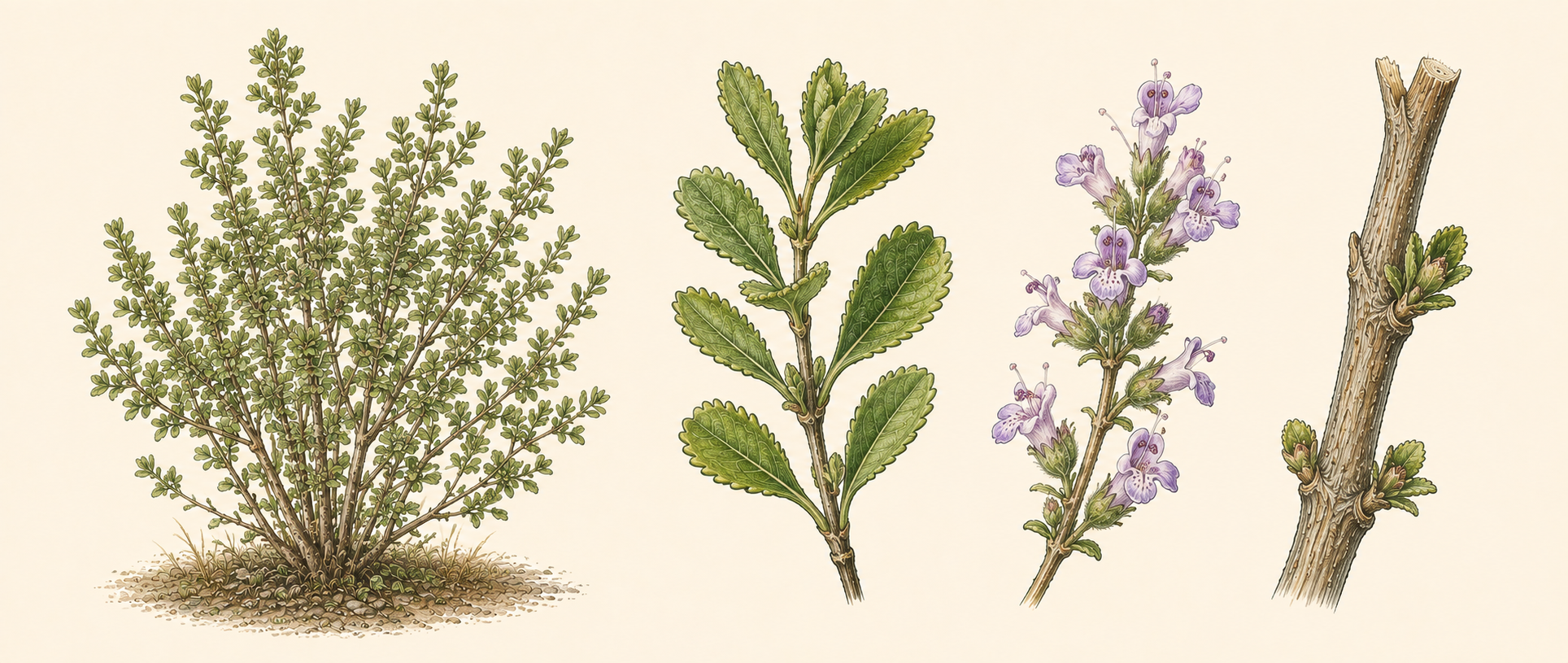
Comb Bushmint
Mesosphaerum pectinatum
Herbaceous to small shrubMinimal.
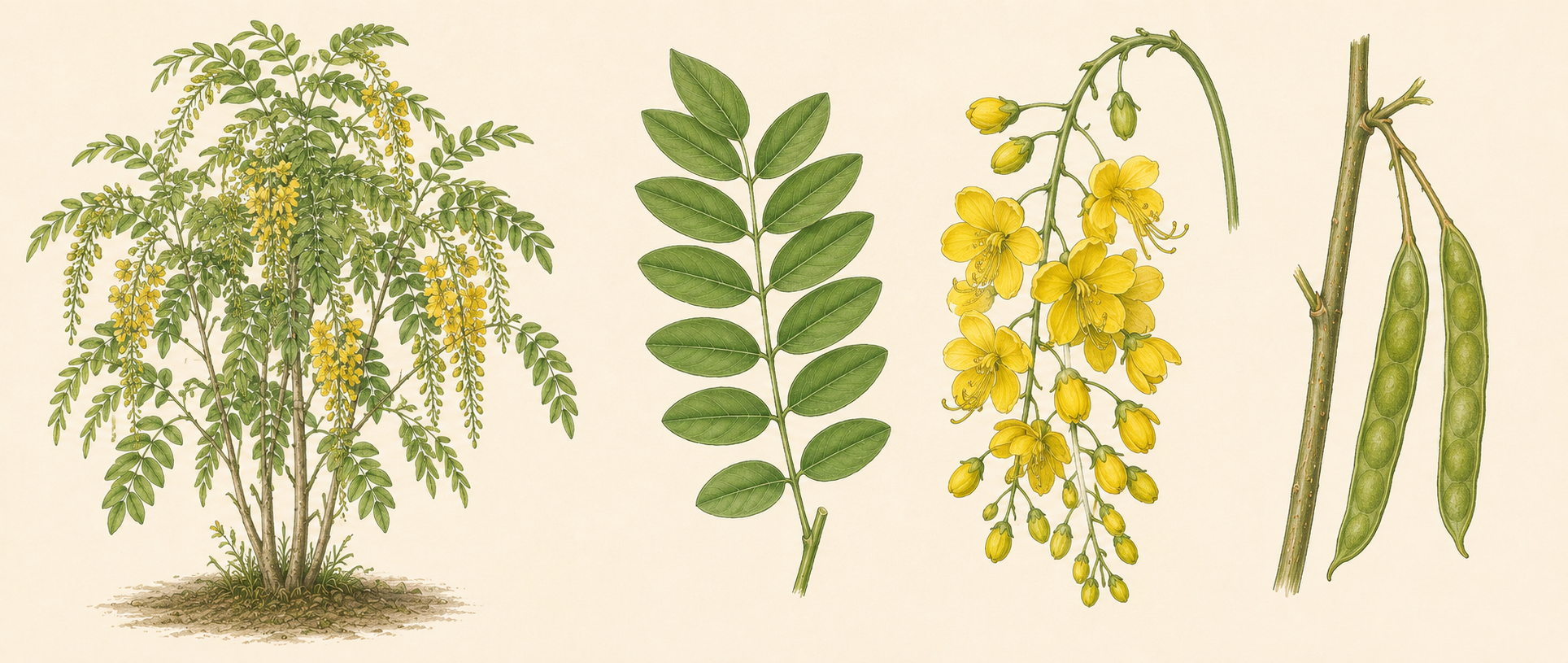
Easter Cassia
Senna pendula
Large shrubMinimal net positive.
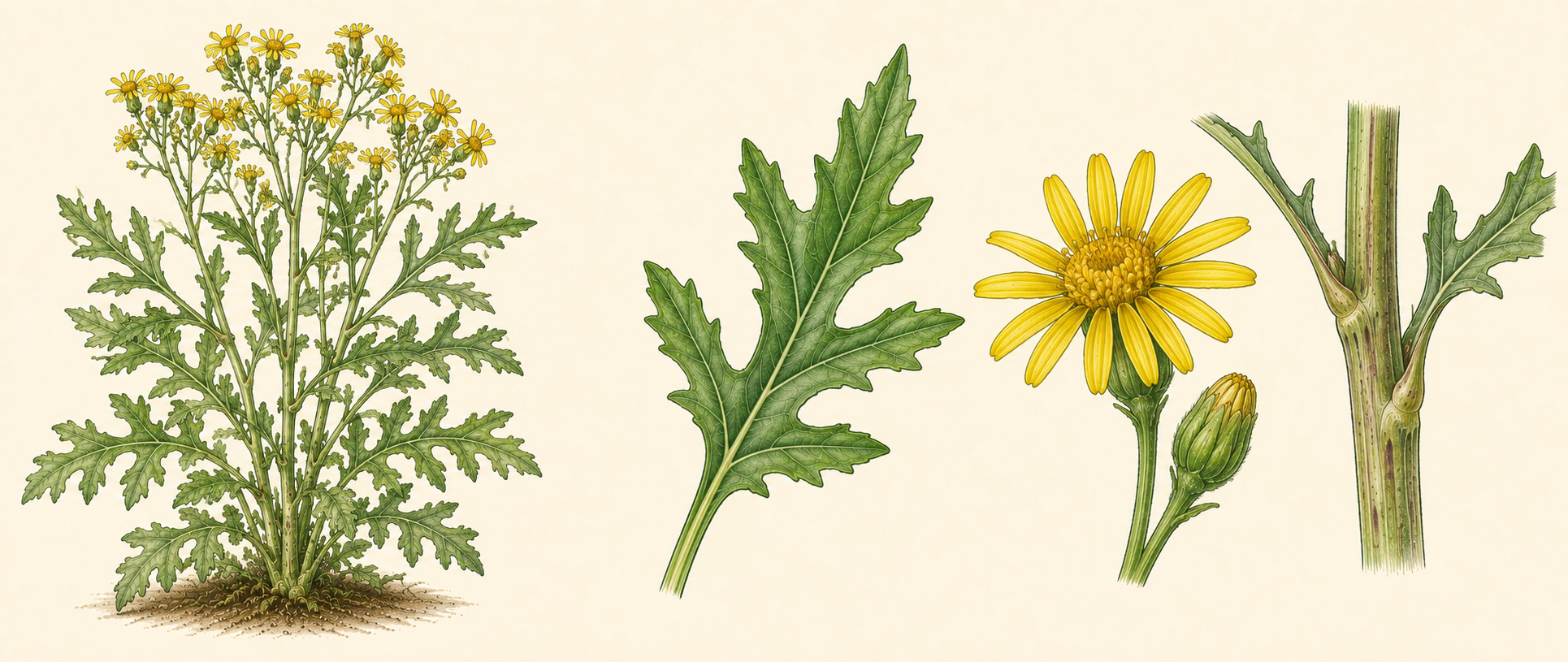
Fireweed
Senecio madagascariensis
Herbaceous ground layerNone of value.
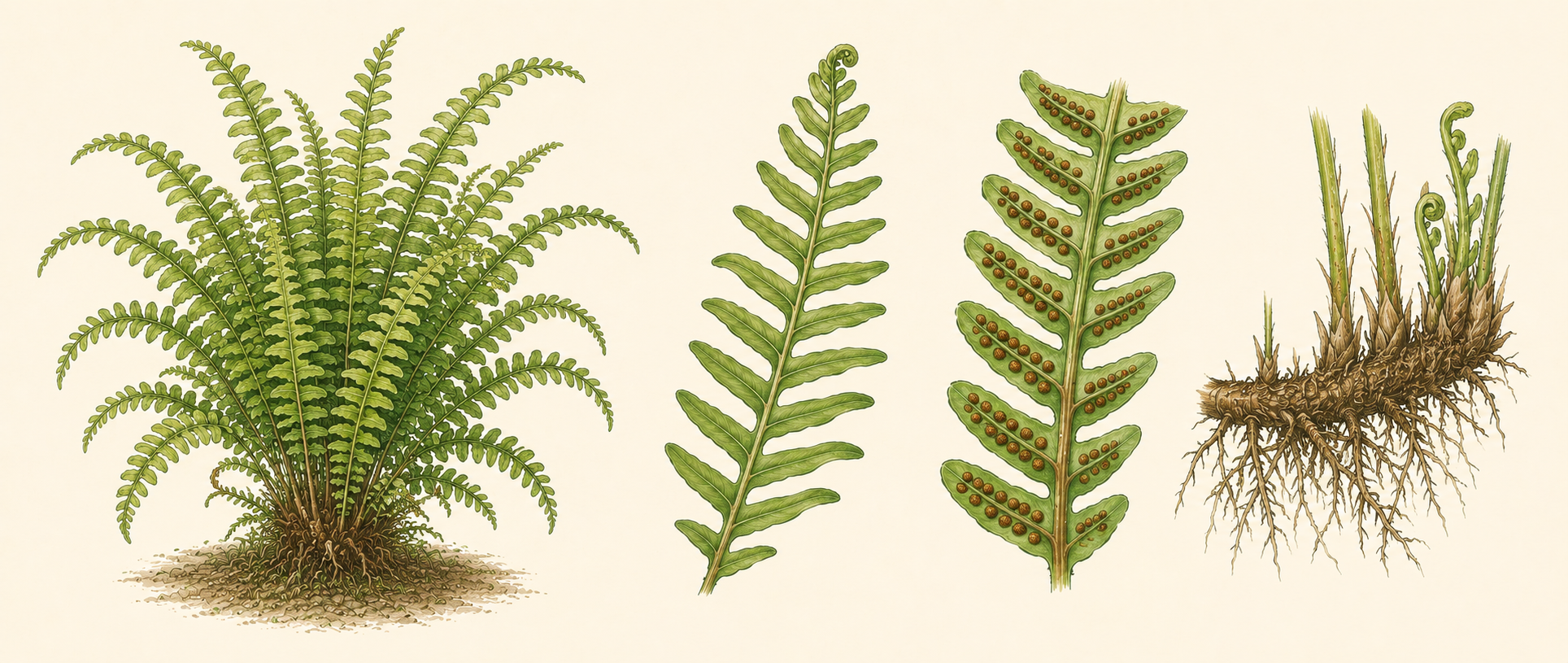
Fishbone Fern
Nephrolepis cordifolia
Herbaceous groundcover fernMinimal, outcompetes native ferns and groundcovers where it forms dense mats.
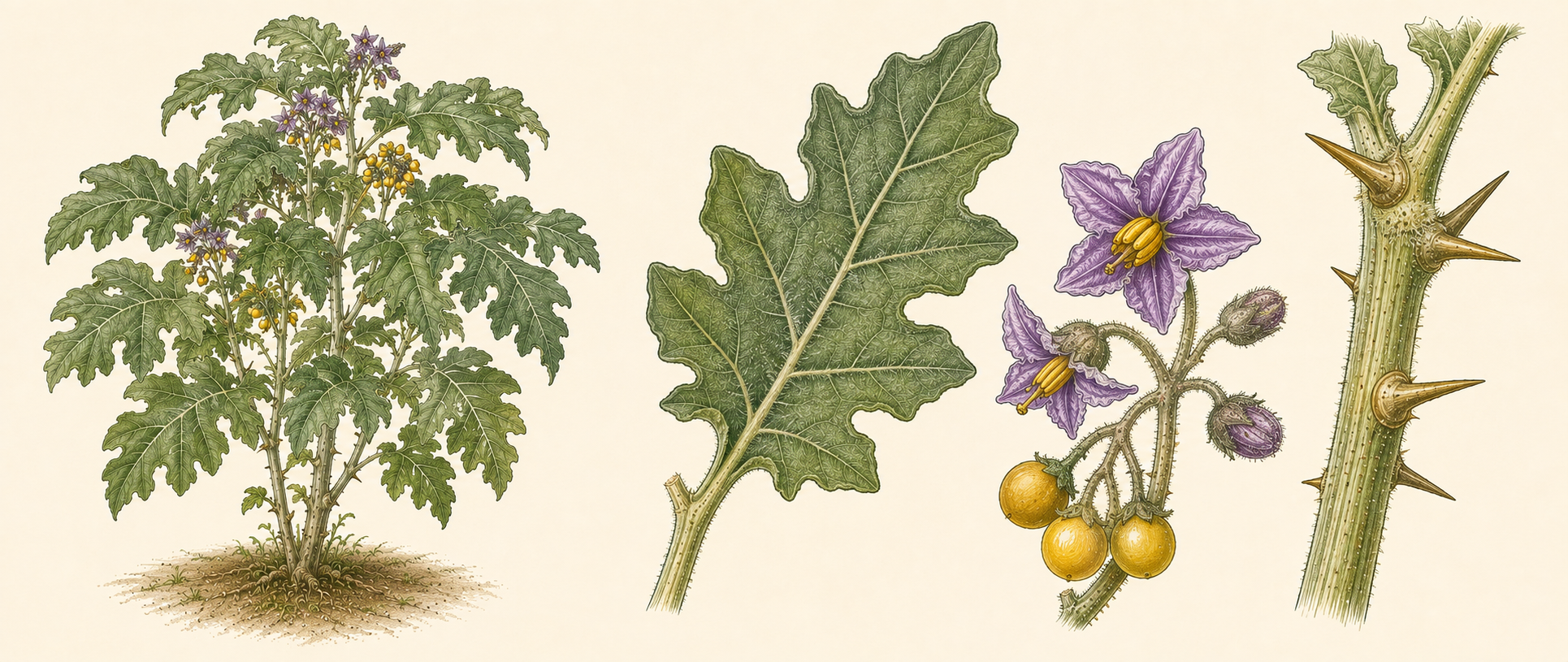
Giant Devil's-Fig
Solanum chrysotrichum
ShrubMinimal, outweighed by weed impact and the physical hazard of its spines.
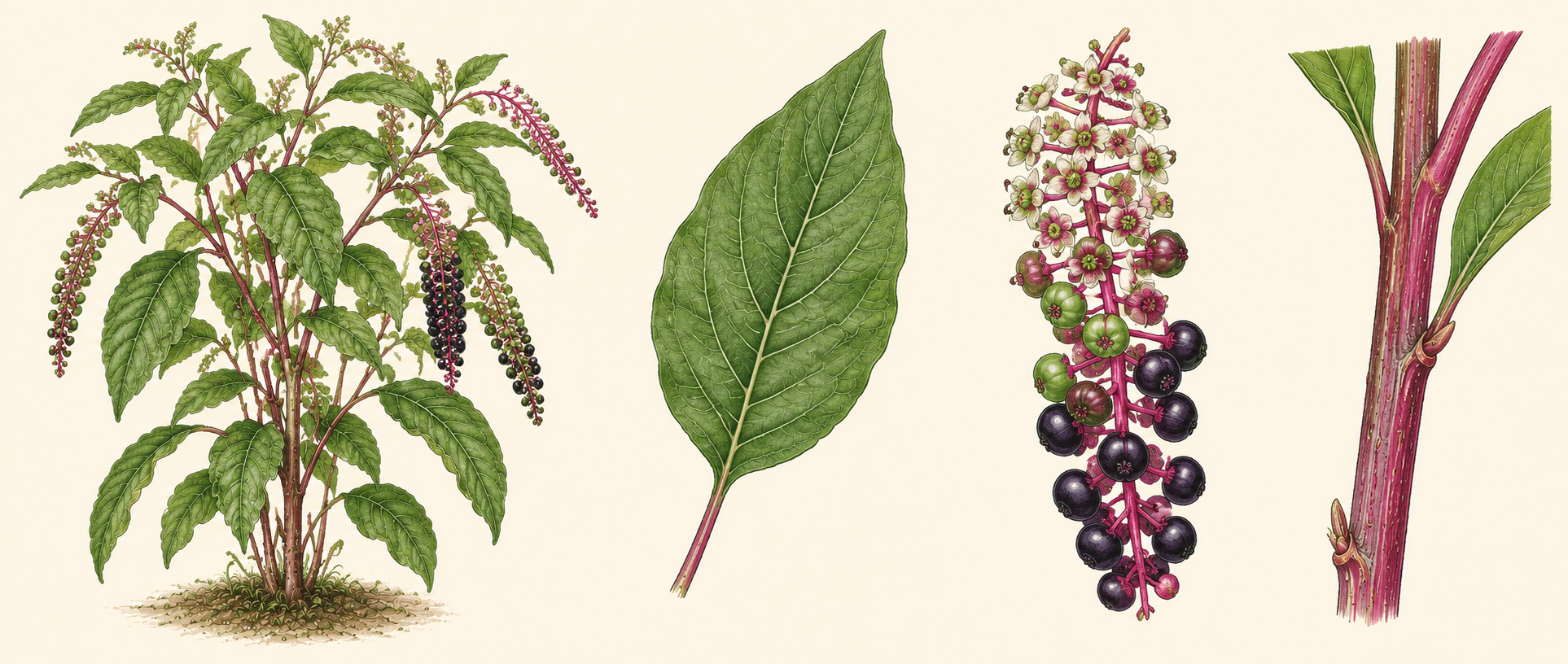
Inkweed
Phytolacca octandra
Herbaceous to small shrubMinimal, some fast pioneer biomass on disturbed ground but outweighed by toxicity.
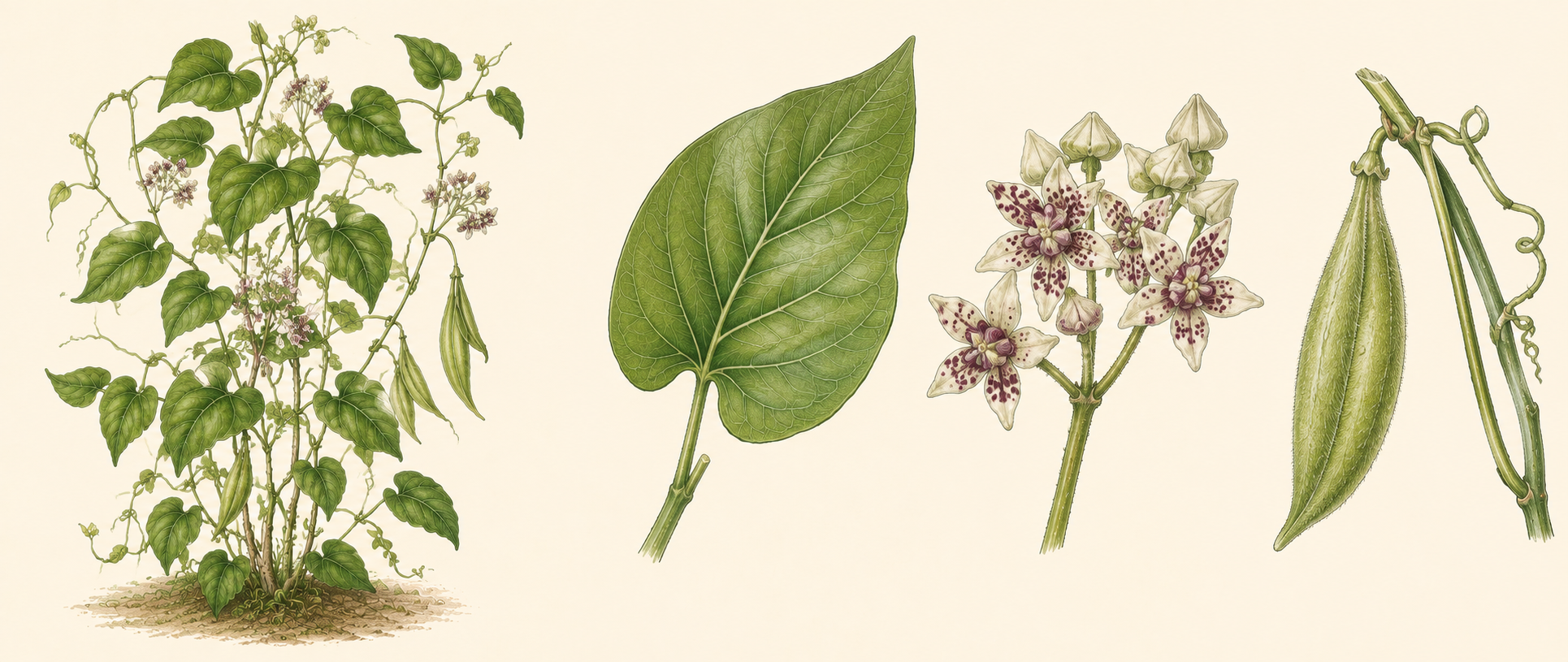
Moth Plant
Araujia sericifera
VineNone of value.
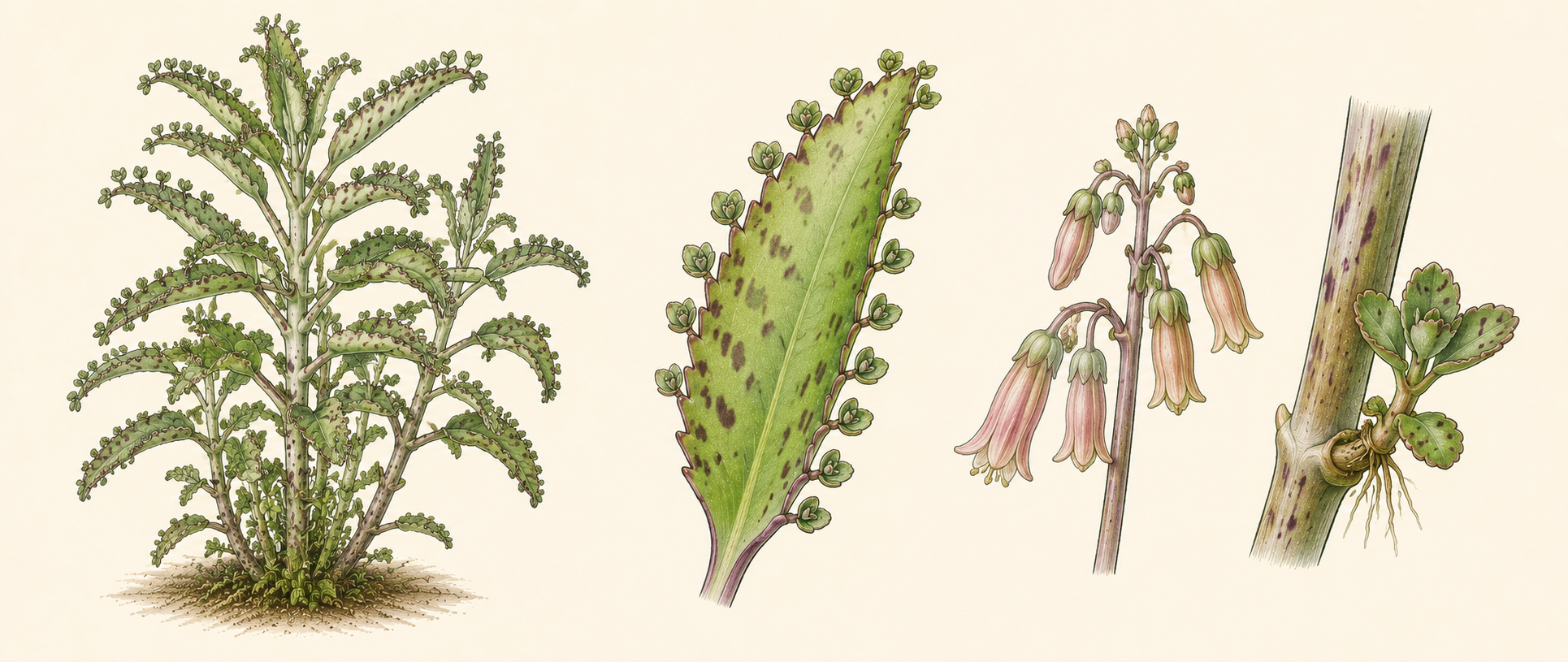
Mother-of-Millions
Kalanchoe delagoensis
Herbaceous succulent groundcoverNone of value.
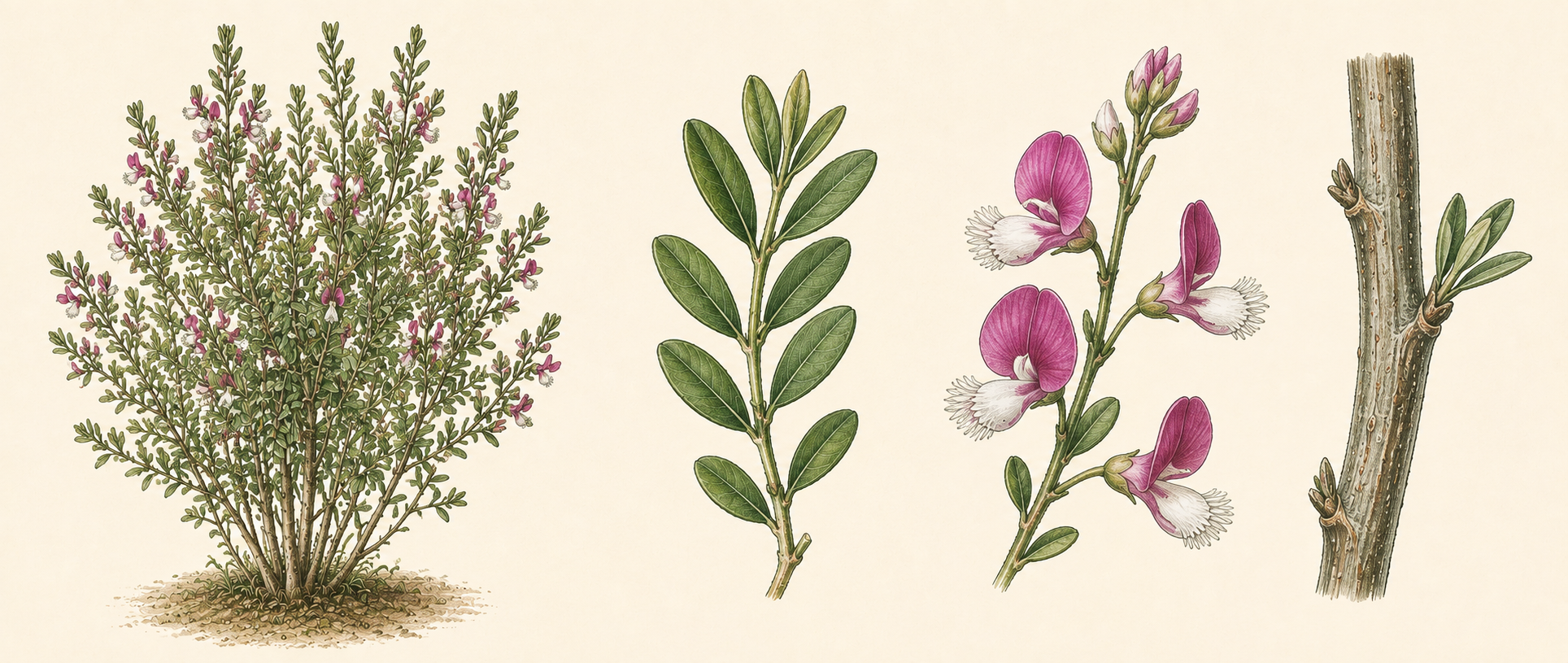
Sweet Pea Shrub
Polygala myrtifolia
ShrubOrnamental and pollinator value, offset by a real self-seeding risk in bushland-adjacent sites.
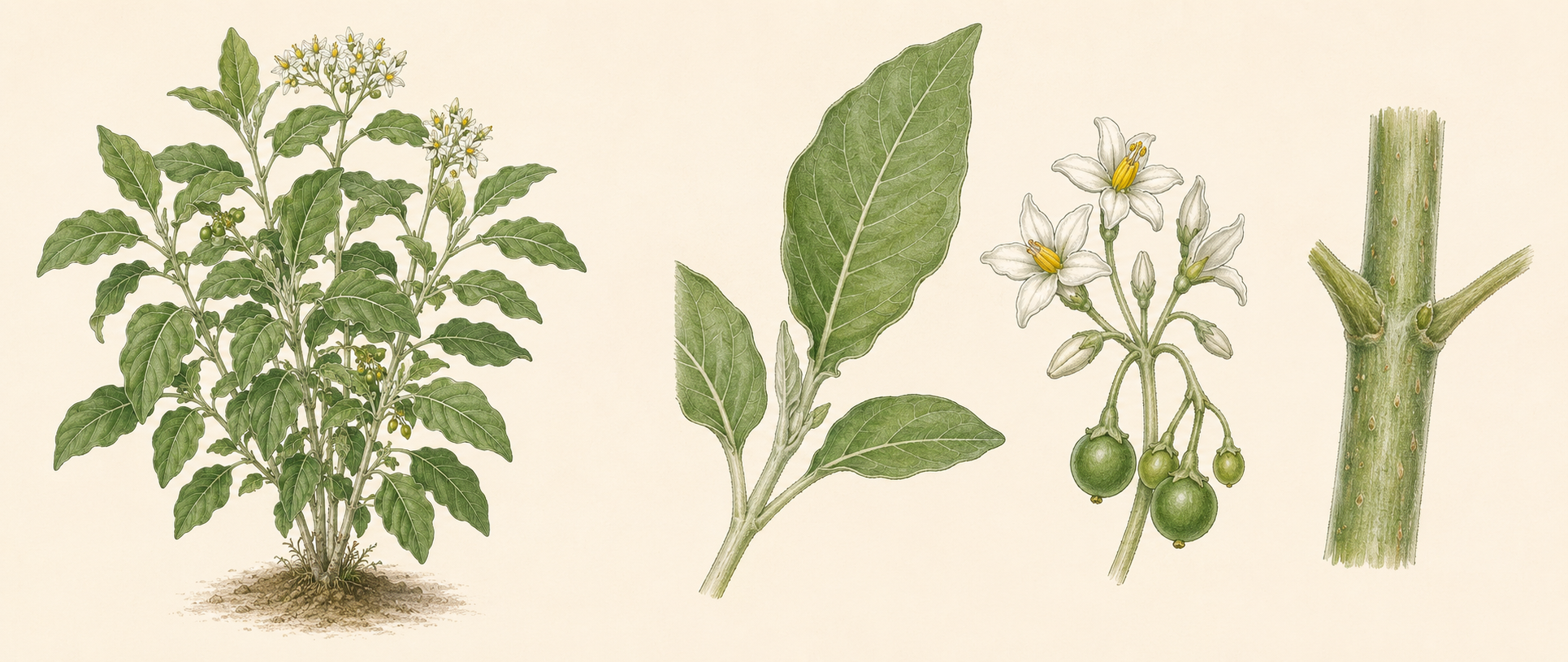
Tobacco Bush Weed
Solanum mauritianum
Shrub to small treeFast biomass production, heavily outweighed by its weed impact.
Free guide
Want twenty of them in one place?
The SEQ Plant List collects twenty plants that reliably thrive here, a full page each, plus the gardening basics that get them growing.
Get the free guide