
Pull a handful of good soil apart and the things you can actually see, earthworms, beetles, the odd centipede, are the smallest part of the story. Healthy soil is a densely populated, layered ecosystem, and the organisms doing most of the real work in it are too small to see at all.
Near the bottom of the visible scale are mites, springtails, and tiny worms, feeding on fungi and bacteria and physically breaking larger organic matter down into smaller pieces. Below even that are the true engine of soil health: bacteria, fungi, and microscopic worms doing the actual biochemical work of cycling nutrients, breaking down organic matter, and building the fungal networks that unlock nutrients like phosphorus that would otherwise stay locked up and unavailable to a plant's roots.
The numbers are hard to picture
In a single square metre of healthy temperate grassland soil, researchers have counted figures like 120 million nematodes, 100,000 mites, and tens of thousands of springtails and small worms. Fungi aren't even counted the same way, by weight, they can make up as much as half of all the living biomass in the soil. Soil health isn't really about the earthworms you notice when you turn over a shovelful. It's overwhelmingly about the invisible tiers underneath them.
Why this changes how soil should be treated
That fungal share of the picture is exactly why digging soil over disturbs it more than it helps. Tillage is particularly hard on fungal networks, and they take far longer to recover than bacteria do once damaged. It's also the real argument against reaching for a synthetic fix at the first sign of a struggling garden bed. A quick chemical hit might green a plant up for a season, but it does nothing for the underground population actually responsible for feeding it long-term, and heavy or repeated use can work against that population rather than for it.
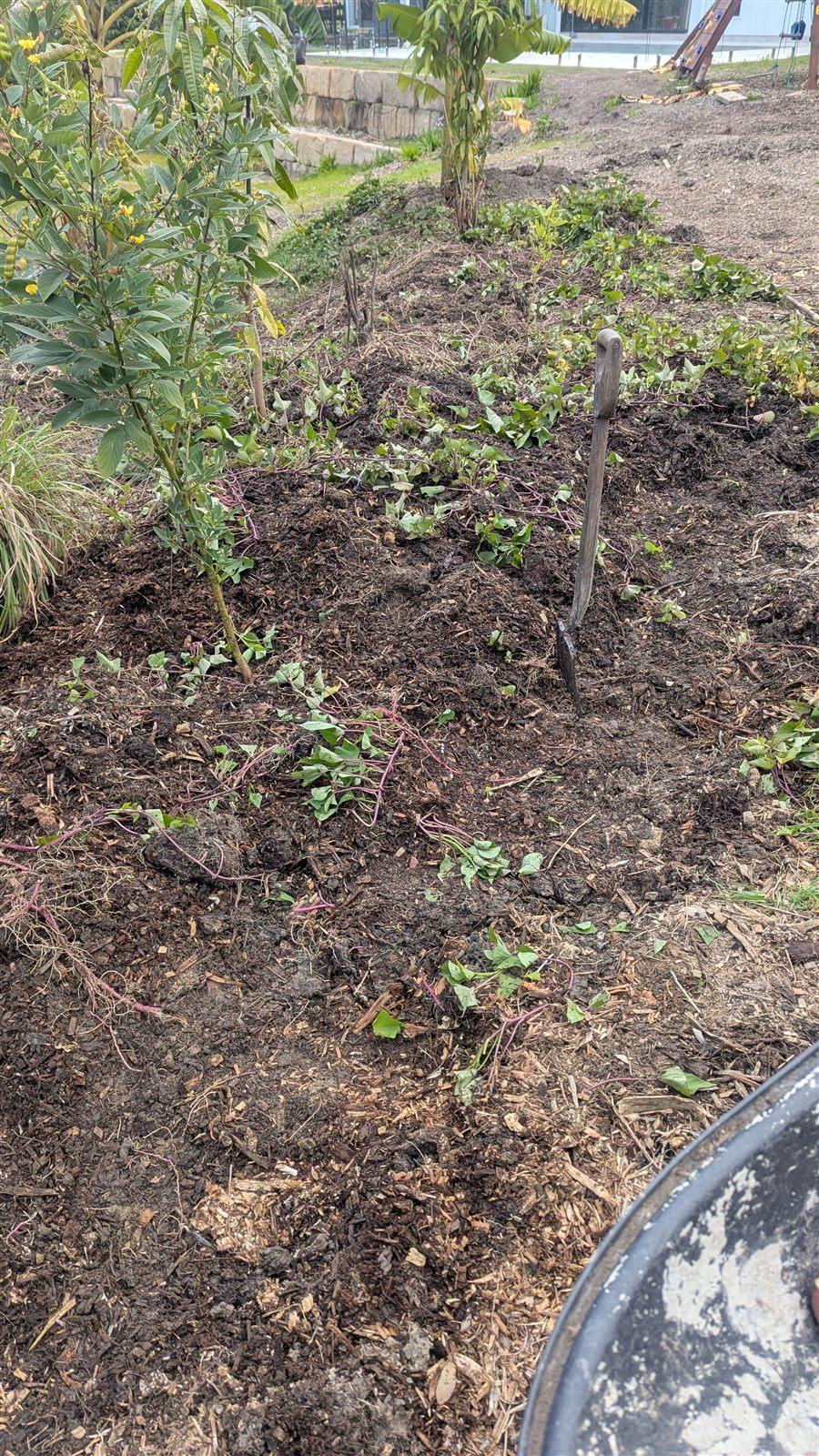
In practice, that means leaving soil undisturbed wherever possible, keeping it covered with mulch or living plants rather than bare, and feeding the system with compost and organic matter instead of a bag of soluble fertiliser. Seeing a few earthworms is a reasonable quick sign that things are heading the right way, but it's only ever a rough proxy. The real health of a soil is happening at a scale nobody can see with the naked eye, and it responds to how the ground is treated over years, not to a single fix.